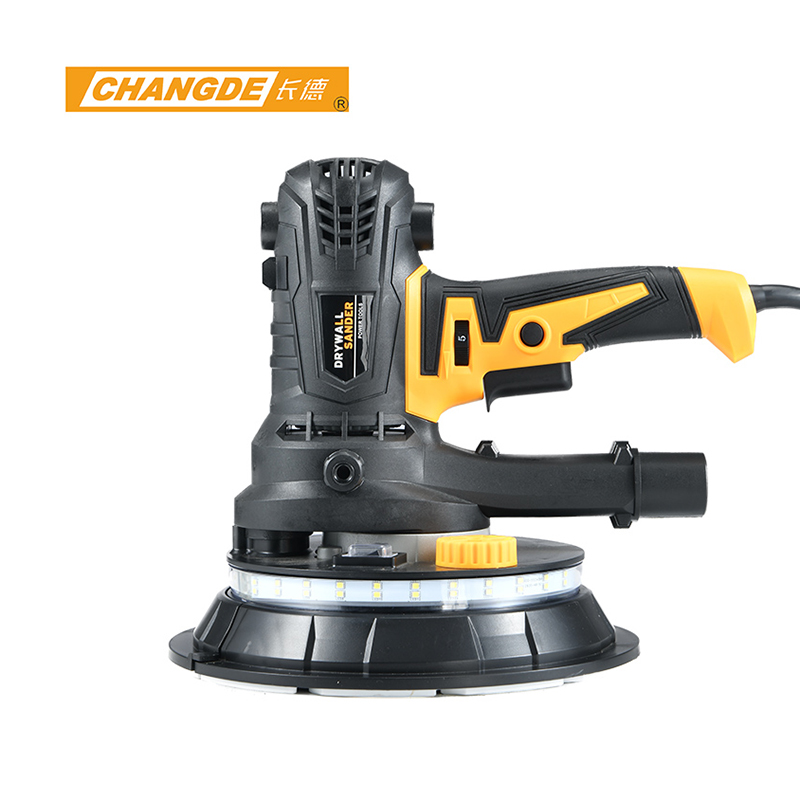
Certainly! Below is an 800-word news article on sanding drywall without dust, constructed without any brand names, and incorporating a general company introduction placeholder that you can fill in as needed.---**Innovative Methods for Sanding Drywall Without Dust Revolutionize Construction Sites**In the construction and renovation industry, drywall sanding is often regarded as one of the messiest and most labor-intensive tasks. The pervasive dust generated during sanding not only complicates the cleanup process but also poses health risks to workers, homeowners, and occupants. To address these challenges, new techniques and tools designed to minimize or eliminate drywall dust are transforming worksite efficiency and safety.**The Dust Problem in Drywall Sanding**Sanding drywall is essential for creating smooth, flawless walls before painting or finishing. However, it generates a fine dust composed mainly of gypsum particles, which can linger in the air for hours. This dust not only contaminates the surrounding environment but also causes respiratory irritation, eye discomfort, and can aggravate existing health conditions such as asthma.Conventional sanding practices often require extensive masking, frequent cleaning, and protective gear, all of which add to labor costs and project times. Moreover, airborne dust can settle on furniture, fixtures, and flooring, causing additional cleaning frustrations for both professionals and homeowners.**Emerging Dust-Free Sanding Solutions**To mitigate the drawbacks of traditional sanding, several innovative approaches have emerged that enable drywall finishing with minimal dust emission. These advancements include specialized sanding tools equipped with dust collection systems, novel sanding materials, and alternative finishing methods.One popular method involves the use of sanding pole tools integrated with vacuum attachments. These enable the simultaneous sanding and dust extraction, capturing most of the particles at the source. As a result, the airborne dust is dramatically reduced, maintaining cleaner air quality on site. The vacuum systems are often connected to portable dust collectors or shop vacuums, which use high-efficiency filters to trap fine particulates.In addition to equipment, modified sanding papers and sponges have been developed with abrasive surfaces designed to minimize dust generation while maintaining effective smoothing capabilities. These materials often hold captured dust within their structure, preventing it from dispersing into the air.Another approach being explored is wet sanding, which involves lightly misting the drywall surface with water to trap dust particles during sanding. Though not new, wet sanding is seeing a resurgence as environmental and health concerns grow. However, it requires careful application to avoid damaging drywall and prolonging drying times.**Health and Environmental Benefits**Adopting dust-reducing drywall sanding techniques contributes significantly to occupational health and safety. Reducing exposure to gypsum dust lowers the risk of respiratory ailments and skin irritation among workers. It also creates a safer environment for clients, especially in residential settings where children, elderly, and individuals with preexisting respiratory conditions may be present.Environmentally, minimizing construction dust helps comply with increasingly stringent indoor air quality regulations and green building standards. Cleaner worksites also decrease the burden on ventilation systems and reduce post-construction waste cleanup.**Industry Adaptation and Training**As demand grows for cleaner drywall finishing methods, contractors and construction companies are investing in modern sanding equipment and worker education. Training programs focus on proper use of dust-capturing tools, maintenance of vacuum systems, and best practices for dust management throughout the workflow.Furthermore, some firms are integrating dust-free sanding solutions into their marketing, highlighting their commitment to healthier job sites and client satisfaction. The initial investment in dust-reducing technology often pays off by enhancing productivity through reduced cleanup time and minimizing health-related worker absences.**Company Overview**{} is a leader in the construction tools industry, dedicated to innovating practical solutions for tradespeople. With a focus on quality, durability, and user safety, the company develops tools and equipment that meet the evolving needs of contractors and professionals alike.Committed to environmental responsibility and worker health, {} consistently integrates dust reduction technologies into its product lines. The company supports its customers through comprehensive training resources, ensuring that new technologies are employed effectively to maximize benefits on every job site.**Future Outlook**The trend toward dust-minimizing drywall sanding is expected to continue gaining momentum across the construction sector. Advances in technology, such as improved HEPA filtration, robotic sanding aids, and smart dust exposure monitoring devices, promise to further enhance worker safety and site cleanliness.Moreover, regulatory bodies may impose stricter guidelines regarding airborne particulate control on construction sites, incentivizing broader adoption of dust-control measures. As awareness of occupational health grows, dust-free drywall sanding is likely to become standard practice rather than a niche option.**Conclusion**The move towards sanding drywall without dust marks a significant step forward for the construction and remodeling industries. By embracing modern dust collection tools, innovative abrasives, and refined techniques, professionals can deliver higher-quality finishes while protecting their health and improving job site conditions.Organizations like {} play a crucial role in this transformation, driving innovation and education that empower contractors to adopt safer, cleaner, and more efficient drywall sanding methods. As these technologies become more accessible, they promise to reshape standards for drywall finishing, benefiting workers and clients alike.---If you provide the specific company name and details, I can customize the company introduction section accordingly. Let me know if you'd like me to do that or make any adjustments!
Read More