
How to Sand Drywall Smoothly Using an Electric Sander
By:Admin
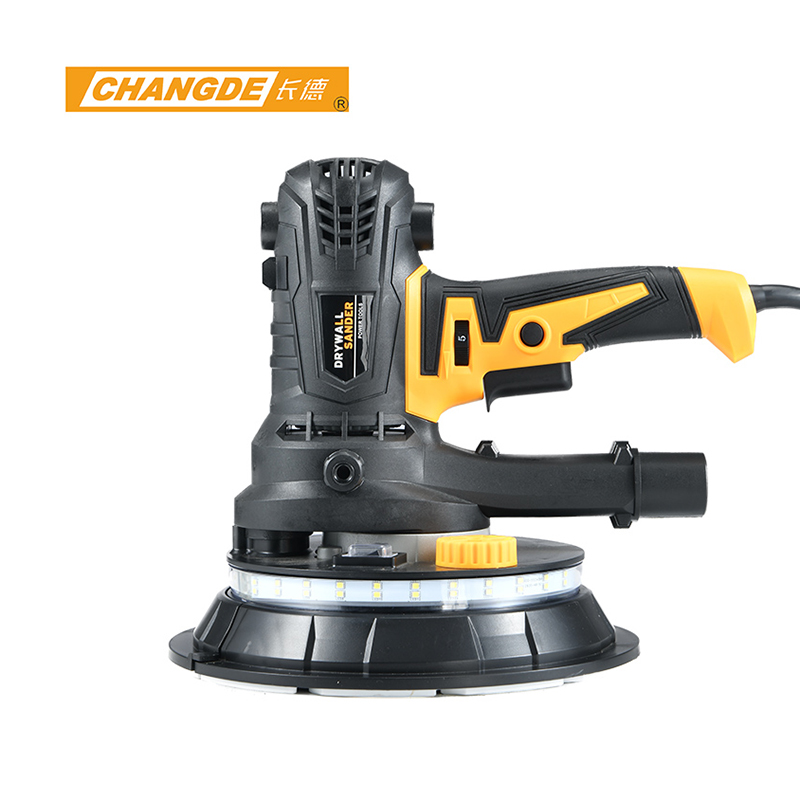
Sanding drywall is a critical step in the process of achieving smooth, professional-quality walls and ceilings. As construction and renovation projects continue to grow, professionals and DIY enthusiasts alike seek efficient methods to streamline their workflow. One technique gaining popularity involves the use of electric sanders for drywall finishing. This method not only speeds up the sanding process but also provides an even and consistent finish, essential for a polished look.
**Advantages of Electric Sanders for Drywall**
Traditional drywall sanding using hand sanding blocks or sanding sponges can be time-consuming and labor-intensive. Electric sanders, on the other hand, offer significant benefits:
1. **Speed and Efficiency**: Electric sanders operate at high speeds, enabling quicker removal of joint compound or uneven textures compared to manual sanding.
2. **Consistent Finish**: The uniform motion and pad rotation help achieve an even surface without gouges or scratches that might occur with hand sanding.
3. **Dust Control**: Many electric sanders come equipped with dust extraction attachments or ports, reducing airborne dust that can cause respiratory issues and mess at the worksite.
4. **Ergonomics**: With adjustable handles and lightweight designs, electric sanders reduce physical strain, especially during large projects or extended use.
**Choosing the Right Electric Sander for Drywall**
Not all electric sanders are equally suited for drywall work. The ideal tool must combine power with control, enabling the user to manage the sanding depth to avoid over-sanding the drywall paper or joint compound. Random orbital sanders and drywall-specific pole sanders with electric motors are among the favored options.
Key features to consider include:
- **Variable Speed Control**: Allows the user to adjust sanding speed for different stages of finishing.
- **Dust Extraction System**: Connects to shop vacuums to capture dust at the source.
- **Comfortable Grip and Lightweight Design**: Facilitates prolonged use without fatigue.
- **Interchangeable Sanding Pads**: Compatible with different grit sizes for sanding and smoothing.
**Step-by-Step Guide to Sanding Drywall with Electric Sanders**
1. **Preparation**: Before sanding, ensure the drywall compound is completely dry. Remove any obstacles and cover floors to protect from dust.
2. **Selecting Grit**: Start with medium-grit sandpaper (around 120 grit) to smooth rough patches. Progress to finer grits (220 grit) for a polished finish.
3. **Set Up Dust Control**: Attach the sander to a vacuum port if available. Wear a dust mask and goggles to protect from inhalation and eye irritation.
4. **Sanding Technique**: Hold the sander flat against the wall and move in circular or orbital motions. Avoid applying excessive pressure to prevent damage to drywall paper.
5. **Inspect the Surface**: After sanding, wipe with a damp cloth to reveal imperfections and repeat sanding if necessary.
6. **Clean-Up**: Clear all dust and debris before painting or applying primers.
**Company Introduction**
{Company Name} is a recognized leader in providing professional-grade construction tools and solutions designed to enhance productivity and quality in the building industry. With decades of experience, {Company Name} offers a wide range of equipment supporting drywall finishing, including high-performance electric sanding tools tailored to meet the needs of both contractors and home renovators. Committed to innovation and customer satisfaction, {Company Name} continuously develops products that combine durability, ergonomic design, and advanced features such as dust control, delivering tools that help finish projects faster and more efficiently.
**Innovations in Drywall Sanding Solutions**
Understanding the challenges faced by professionals in managing dust and achieving perfect finishes, {Company Name} has invested heavily in research and development. Their latest line of electric drywall sanders integrates smart dust collection systems and vibration reduction technology, ensuring a safer, cleaner, and more comfortable working environment.
Additionally, {Company Name} offers comprehensive support including user guides, tutorial videos, and customer service to assist users in maximizing the performance of their sanding equipment. By focusing on the end-user experience, {Company Name} stands out as a trusted partner for drywall contractors and DIYers looking to enhance their craft.
**Conclusion**
Utilizing electric sanders for drywall is a practical approach that can transform tedious finishing tasks into faster, more manageable processes. By selecting the right tools and following proper sanding techniques, professionals can achieve flawless walls ready for painting or decorative finishes. Companies like {Company Name} play a vital role by providing the industry with innovative, reliable sanding solutions that support quality and efficiency on every project.
For those undertaking drywall projects, investing time in learning effective sanding methods and choosing high-quality electric sanding tools ensures satisfying results and long-term durability of surfaces. As renovation and construction demands evolve, electric sanding technology will continue to be an indispensable part of modern drywall finishing workflows.